Back on the Road With Confidence - Reliable Auto Repair
Quality auto repair upholds vehicle safety and performance. A solid shop supplies complete work, from routine checks to urgent repairs. Determining when your vehicle needs service can be overwhelming. Many drivers struggle to locate credible repair professionals. Preventive upkeep is critical for boosting your car's durability. Yet, the issues involving expenses and connecting with technicians can leave one unsure. How can vehicle owners proceed to maintain their vehicles road-ready?
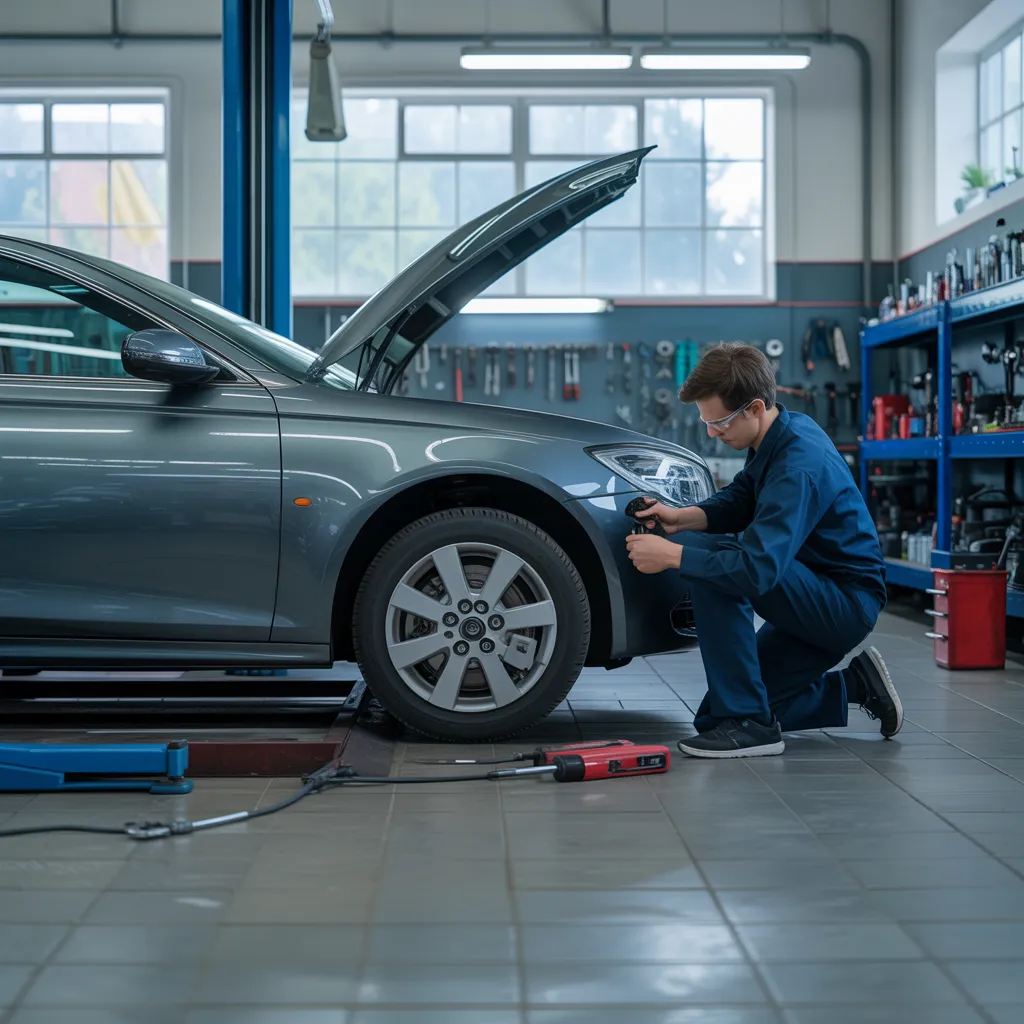
Determining When Your Car Needs Fixes
How can one figure out when a vehicle requires attention? There are several key indicators that reveal a repair necessity. Abnormal noises, such as grinding or squeaking, often indicate brake or engine troubles. Warning lights on the dashboard, especially the check engine light, should not be ignored, as they warn of potential problems that demand immediate investigation. Moreover, a drop in performance, such as sluggish acceleration or difficulty starting, can also point to underlying mechanical issues.
Visual indicators, such as oil seepage or uneven tire deterioration, are further warnings that maintenance is needed. If the car drifts to one direction while driving, this could indicate misalignment issues or tire complications. Regularly observing these elements can help guarantee prompt maintenance, avoiding greater deterioration and costs in the long term. Ultimately, being vigilant and proactive is crucial for preserving your car's condition.
How to Find a Reliable Auto Repair Shop
Finding a dependable auto repair shop can be tricky for motorists. To commence, individuals should request advice from contacts, relatives, or coworkers. Real-world experiences often furnish valuable insights into a business's service standards. Online reviews and evaluations on services like Yelp or Google can help measuring patron fulfillment.
Next, verifying certifications and affiliations with recognized industry organizations, such as the Automotive Service Excellence (ASE), can indicate a shop's dedication to quality practices. It is recommended to visit potential shops for an first meeting, allowing owners to assess tidiness, structure, and service quality.
Furthermore, acquiring documented quotes before any work commences can avoid misunderstandings regarding costs. Finally, a reliable shop should be open about its services and able to explain repairs. By adhering to these steps, vehicle owners can improve their chances of locating a reputable auto repair shop.
The Importance of Regular Vehicle Maintenance
While many car owners may fail to address regular maintenance, consistent vehicle maintenance is indispensable for securing a car's lifespan and peak performance. Skipping maintenance can result in a string of issues, from small troubles to major repairs. Regular inspections, such as oil changes, wheel adjustments, and brake evaluations, can eliminate expensive fixes and strengthen driving safety.
Furthermore, ongoing maintenance helps sustain a vehicle's gas mileage, minimizing overall maintenance expenses. It also maintains the trade-in value; a well-kept car is often more appealing to prospective buyers.
Committing to regular upkeep creates a sense of accountability among owners, urging them to stay informed about their vehicle's needs. By prioritizing regular care, vehicle owners not only protect their monetary investment but also add to overall road safety. Ultimately, consistent vehicle care is a preventive strategy that helps both the owner and the broader community.
Grasping Repair Expenses
Understanding maintenance expenses can often be perplexing for vehicle owners. Various elements contribute to these expenses, including labor rates, parts pricing, and the complexity of the repair itself. Labor expenses vary widely by location and facility, often demonstrating the technician's experience and the shop's overhead. In addition, the kind of components used—whether original equipment manufacturer (OEM) or aftermarket—can greatly impact the final bill.
Vehicle model and age also play a role to costs; less common or older vehicles may require specialized parts that are more expensive and more difficult to find. Moreover, unexpected issues can emerge during maintenance work, causing extra expenses that were not initially anticipated. By gaining a basic understanding of such considerations, vehicle owners can approach repair estimates with greater confidence and take knowledgeable choices regarding their vehicle requirements.
How to Clearly Explain Car Problems to Your Technician
Communicating car issues clearly to a mechanic can greatly enhance the assessment and fixing procedure. When explaining problems, car drivers should be precise about symptoms, such as unusual noises, vibrations, or alert indicators. Offering details on when the issue happens—whether during acceleration, braking, or idling—can also help the technician determine the problem.
It is important to identify any latest modifications in driving conduct or upkeep records. Utilizing clear, straightforward language avoids vagueness, permitting the mechanic to interpret the situation more accurately. Vehicle operators should abstain from using technical jargon unless they are assured in its meaning.
Furthermore, supplying paperwork, like service records or previous repair invoices, can offer context. A clear description not only supports swift diagnosis but also strengthens a mutual partnership between the car owner and the mechanic, ultimately resulting in effective check this resource repairs.
Creating a Durable Partnership With Your Auto Repair Shop
Creating a enduring bond with an auto repair shop depends on trust and openness. Consistent quality service strengthens this connection, while clear interaction pathways ensure that clients feel appreciated and heard. In combination, these components create a collaboration that serves both the client and the mechanic.
Create Trust Using Openness
When clients feel well-informed about the services their vehicles need, confidence naturally develops between them and their auto repair shop. Transparency in communication is important; it allows clients to understand the justification behind suggested repairs and maintenance. Auto repair shops that provide detailed insights, accurate estimates, and open discussions create a sense of security among their clientele. This openness not only simplifies the repair process but also empowers customers to make well-considered decisions. Furthermore, sharing information about the shop’s qualifications, warranties, and service history strengthens credibility. By prioritizing transparency, auto repair shops can cultivate lasting relationships, encouraging repeat customers and customer loyalty. Ultimately, trust through transparency sets the path for a more satisfying and reliable auto repair experience.
Consistent Quality Service
Consistent reliable service is the foundation of a lasting relationship between customers and their vehicle repair center. When customers get reliable and efficient repairs, they are more likely to return for future maintenance. This reliability fosters trust, allowing customers to feel confident in the expertise of the technicians. Over time, as customers see the same high standards being upheld, a sense of loyalty develops. Quality checks carried out regularly and conformance to industry standards guarantee that vehicles are not only restored but also kept in good condition to forestall future issues. Such devotion to excellence creates an atmosphere where customers feel valued, knowing their vehicles are in capable hands. Ultimately, this pledge to consistent quality service strengthens the tie between auto repair shops and their clientele.
Develop Communication Lines
Effective interchange acts as an essential connection between customers and their auto repair shops, enhancing confidence and understanding. Transparent communication channels foster a collaborative atmosphere where patrons feel valued and informed. When repair shops provide lucid accounts regarding services, costs, and timelines, customers can make superior determinations about their vehicles. Consistent communications during repairs can alleviate apprehension and build assurance in the shop's expertise. On the other hand, patrons who voice their concerns and preferences contribute to a more tailored experience. This two-way exchange not only deepens bonds but also stimulates loyalty. By stressing open communication, auto repair shops can establish a reputation for reliability, ensuring that customers revisit for future needs, confident in the labor they will receive.
Frequently Answered Questions
What Can I Do if My Car Breaks Down Unexpectedly?
When a car malfunctions abruptly, the driver should safely pull over, activate hazard lights, assess the situation, and request roadside assistance or a tow service if needed. Staying calm is crucial.
How Can I Know if a Mechanic Is Honest?
To determine a mechanic's reliability, one should check reviews, seek recommendations, verify qualifications, and notice openness in pricing. A trustworthy technician will communicate clearly and offer thorough descriptions of necessary repairs and work.
Do warranties apply to auto repairs work?
Most auto repair shops offer warranties on their work and components, typically ranging from 90 days to several years. Customers should inquire about specific terms and conditions to guarantee adequate coverage for their repairs.
What Essentials Should I Have in My Car for Critical Moments?
A adequately supplied car should have a spare tire, jack, jumper cables, flashlight, first aid kit, basic tools, and tire pressure gauge. These necessities help provide safety and address minor issues during unexpected emergencies on the road.
How Can I Prepare My Car for Seasonal Changes?
To get ready a car for climate shifts, one should check fluid levels, inspect tires for wear and inflation, test the power source, change wipers, and make certain lights function properly for best safety and operation.